
Tracqueur: Meaning, Tracking Technology, Uses, Benefits, and Privacy Guide
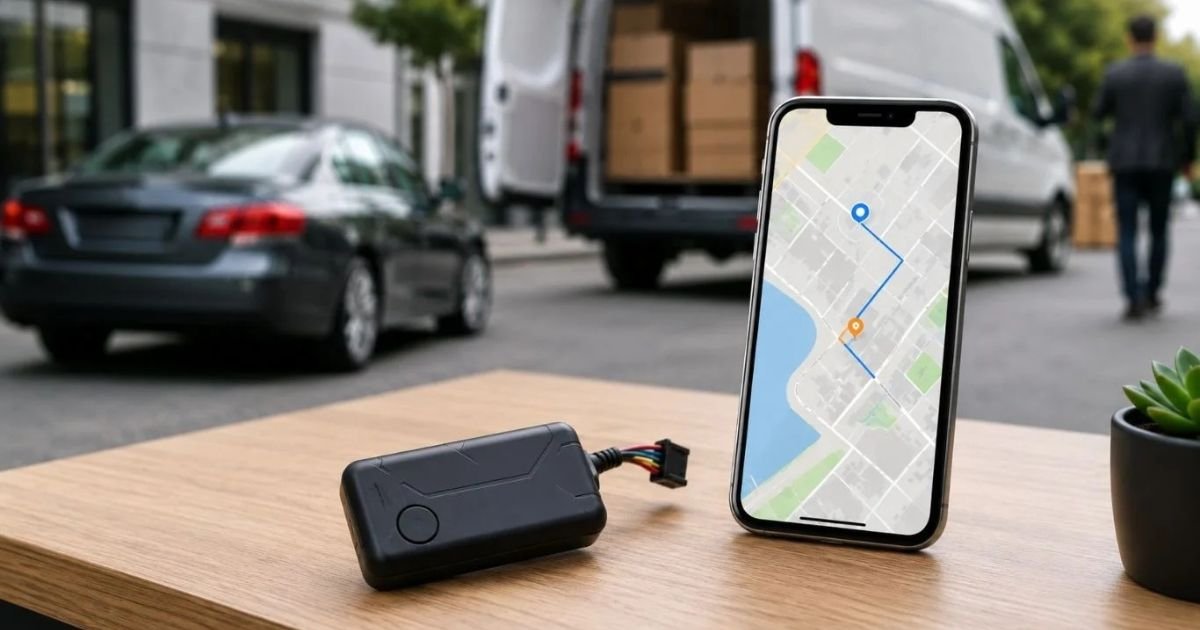
Tracqueur is a term increasingly associated with tracking technology, location monitoring, digital tools, and systems that help people identify where something is or understand how it moves. Depending on the context, it may refer to a GPS tracking device, a mobile tracking application, an asset monitoring system, or the broader idea of tracking information. However, it is important to understand that Tracqueur is not an established technical name for one universal product or tracking platform.
The word is also closely related to the French term “traqueur,” which generally means a tracker or pursuer. In English, the word “tracker” is commonly used for tools that record location, movement, activity, or other information. Modern tracking technology can help individuals locate personal belongings, monitor vehicles, manage deliveries, and understand digital activity.
For people in the United States, India, and other countries, understanding Tracqueur begins with knowing what tracking means, which technologies are involved, and how different tracking systems operate. It is equally important to consider accuracy, connectivity, data security, and privacy before choosing any tracking solution.
This guide explains what Tracqueur means, how tracking systems work, their main types, practical applications, advantages, limitations, and responsible use. It also answers common questions to help readers understand the topic without confusing a general search term with a verified commercial product.
What Is Tracqueur?
Tracqueur is an online term associated with trackers, monitoring tools, and tracking-related technology. Its precise meaning depends on where the word appears and how it is being used. It may describe a general tracking concept, an alternative spelling of a tracking-related word, or a name used in a particular online context.
In technology discussions, tracking usually means collecting information about the location, movement, status, or activity of an object, device, or digital system. The collected information can then be displayed, analyzed, or used to trigger alerts.
For example, a vehicle tracking device can help an owner identify a car’s last reported location. A parcel tracking system can show whether a shipment has left a warehouse. A website analytics tool can measure how visitors interact with pages.
These examples involve different technologies, but they share the basic idea of tracking information over time.
It is important not to assume that every product described as Tracqueur offers all these capabilities. There is no single universally recognized technical specification associated with the term itself. Anyone researching a particular device, application, or service should verify its actual features before relying on it.
What Does the Word Tracqueur Mean?
The simplest interpretation of Tracqueur is a term connected with tracking or following something. The established French spelling is “traqueur,” while “tracqueur” appears online as an alternative spelling or stylized term.
The English equivalent depends on the context. In technology, it is usually appropriate to use “tracker” or “tracking system.” In other contexts, the word may relate to someone who follows clues, searches for something, or monitors an activity.
For example:
- A GPS tracker identifies and reports a device’s geographical position.
- A vehicle tracker records a car’s location and movement.
- A digital tracker collects information about online interactions.
- An asset tracker helps businesses monitor equipment or shipments.
- An activity tracker measures movement, exercise, or other selected metrics.
Although these examples help explain the general concept, they do not establish Tracqueur as a specific brand or product.
Is Tracqueur a Device, Website, or Application?
The answer depends on the specific reference. The keyword alone does not identify a single device, application, or company with a confirmed set of features.
Someone searching for Tracqueur might be looking for information about tracking technology, trying to understand the word, or looking for a website using that name.
These possibilities should be evaluated separately.
If you encounter a product advertised as a Tracqueur tracker, examine its manufacturer, technical documentation, compatibility, pricing, and privacy policies. If you encounter a website with this name, inspect its actual services and published information rather than assuming that it manufactures GPS equipment.
This distinction helps prevent confusion between a general keyword and a real, identifiable technology product.
How Does Tracqueur Tracking Technology Work?
Although Tracqueur does not describe one standardized tracking system, the technologies associated with tracking generally follow a similar process. A device or software application collects information, transfers it when necessary, and presents it to an authorized user.
The exact process depends on the purpose of the system.
Step 1: Collecting Information
The first step is collecting the information that needs to be tracked. A GPS device may use satellite signals to calculate its location. A fitness wearable may use motion sensors to measure activity. A website analytics system may record page views, clicks, or session events.
The information collected depends on the device’s design and permissions.
A location tracker may collect geographical coordinates, timestamps, and movement information. A digital analytics tool may record interactions with a website. A parcel tracking system may receive updates whenever a shipment reaches a scanning point.
Not every tracking system collects personal information, and not every tracker continuously monitors movement.
Step 2: Determining Location or Activity
After collecting the necessary signals or events, the system processes them to determine what happened.
A GPS receiver calculates its position using signals from navigation satellites. A Bluetooth tag may help identify the approximate proximity of an item to a compatible phone or receiving device. An activity tracker may process sensor readings to estimate steps or movement.
Different methods produce different levels of accuracy.
For instance, a GPS device with a clear view of the sky may determine its position more reliably than one operating inside a building or underground. A Bluetooth tracker may help locate nearby belongings but may not provide independent, continuous GPS positioning.
Understanding these differences is essential when comparing tracking products.
Step 3: Sending the Information
Some tracking devices store information locally, while others send it to another device or online service.
Depending on the design, data transmission may use cellular networks, Wi-Fi, Bluetooth, or another communication method.
A vehicle tracker with cellular connectivity can send location updates to a remote dashboard. A Bluetooth tag may communicate with a nearby phone. A device without an active communication connection may continue collecting information but cannot necessarily report its current location remotely.
This is why a tracking system’s communication requirements matter as much as its positioning capabilities.
Step 4: Displaying and Understanding the Results
Once the information reaches the appropriate application or system, users may see it on a map, dashboard, timeline, or activity report.
A tracking interface may show the latest reported location, the time of the last update, historical routes, battery status, or alerts. Business systems may also provide reports about delivery progress, equipment usage, or vehicle movement.
The quality of the results depends on the device, software, network connection, and frequency of updates.
A useful tracking system should make information understandable without requiring users to interpret complicated technical data.
Main Types of Tracqueur Tracking Systems
Tracking technology includes several categories. Each one serves a different purpose, and choosing the correct type is more important than relying on a general label.
GPS Tracking Devices
GPS trackers use signals from navigation satellites to determine geographical position. Many devices combine satellite positioning with cellular connectivity so they can send their coordinates to an application or remote server.
These trackers are commonly used for cars, motorcycles, commercial vehicles, and valuable equipment.
A vehicle owner might use a GPS tracker to review the last reported location of a car. A logistics company might use one to monitor a delivery vehicle during a scheduled route.
GPS tracking can be useful over large distances, but performance varies according to satellite visibility, device quality, installation, and communication coverage.
Bluetooth Item Trackers
Bluetooth trackers are small devices designed to help people find belongings such as keys, bags, wallets, and luggage.
They communicate with compatible devices over short distances. Depending on the product, a phone may show whether an item is nearby or use a supported finding network to help locate it when it is farther away.
Bluetooth trackers generally differ from independent GPS trackers. They may rely on nearby devices rather than continuously calculating and transmitting their own GPS coordinates.
Before buying one, check smartphone compatibility, supported finding features, battery replacement options, and unwanted-tracking protections.
Mobile Tracking Applications
A smartphone contains several technologies that support location services, including satellite positioning, Wi-Fi, and mobile connectivity.
A tracking application can use permitted location information to share a person’s position, record a journey, or help locate a device.
Examples include voluntary location sharing, navigation, delivery coordination, and device recovery features.
These applications usually depend on device permissions, battery availability, operating system settings, and network connectivity. A phone that is switched off or has no usable connection may not provide current remote location updates.
Users should review app permissions carefully and avoid installing unfamiliar applications that request unnecessary access to personal information.
Vehicle and Fleet Tracking Systems
Vehicle tracking systems help individuals and organizations monitor cars, motorcycles, vans, trucks, and other vehicles.
A fleet tracking platform may combine GPS positioning with route records, driver reports, maintenance information, and operational data.
Businesses can use these systems to coordinate deliveries, review travel times, and identify inefficient routes. Individual vehicle owners may use tracking devices as one part of a broader vehicle security plan.
However, tracking does not guarantee that a stolen vehicle will be recovered. Coverage, installation, power availability, and response time all influence the practical value of a system.
Wearable Trackers
Wearable tracking devices include smartwatches, fitness bands, location-enabled tags, and specialized safety devices.
Depending on their features, they may measure physical activity, record routes, or share location information with authorized contacts.
Some wearables are designed for outdoor activities, while others focus on fitness, communication, or personal safety.
When selecting a wearable, check its battery life, comfort, location accuracy, water resistance, emergency features, and privacy settings. Features intended for personal safety should be evaluated carefully rather than assumed to be available on every device.
Asset and Shipment Trackers
Asset tracking helps businesses monitor valuable items, equipment, tools, containers, and shipments.
Some systems report a precise geographical position. Others record movement, changes in temperature, or whether an item has reached a designated checkpoint.
A logistics company may use tracking information to identify delays or confirm delivery progress. A construction business may monitor the movement of expensive equipment between job sites.
The best system depends on the asset’s value, movement patterns, operating environment, and the consequences of losing visibility.
Digital and Website Trackers
Not all tracking involves physical location. Digital tracking systems collect information about online interactions or software activity.
Website analytics tools may measure page views, traffic sources, session activity, and conversions. Advertising technologies may use cookies or other identifiers to measure campaign performance, subject to applicable privacy rules and user settings.
These tools help website owners understand which pages visitors use and where improvements may be needed.
Digital tracking raises different privacy questions from GPS tracking. Website owners should clearly explain relevant data practices, minimize unnecessary collection, and provide appropriate consent and privacy controls.
Common Uses of Tracqueur and Tracking Technology
Tracking technology can support everyday activities and professional operations. The following examples explain where different tracking methods may be useful.
Vehicle Security and Recovery
Vehicle owners often use tracking devices to improve their ability to locate a car or motorcycle.
A connected tracker may provide the last reported position, movement alerts, or location history. These features can help an owner share useful information with authorized recovery personnel if a vehicle goes missing.
However, the effectiveness of a tracker depends on installation, connectivity, power, and the service’s reporting capabilities.
It is best viewed as one layer of vehicle protection rather than a replacement for secure parking, physical security measures, and appropriate insurance.
Family Location Sharing
Location-sharing tools can help family members coordinate meetings, travel, and everyday activities.
For example, relatives may voluntarily share their location while traveling to a new place or meeting in a crowded area. Parents may also use age-appropriate location features with children, while respecting their privacy and developmental needs.
The purpose should be clear to everyone involved whenever possible. Location information should not be used to intimidate, control, or secretly monitor another adult.
Pet Tracking
Pet trackers can help owners locate animals that wander away from home.
Some devices use GPS and cellular connectivity, while others use Bluetooth or nearby-device networks. Certain products support virtual boundaries that notify owners when an animal leaves a designated area.
Before purchasing a pet tracker, consider the animal’s size, collar comfort, battery life, coverage, water resistance, and subscription costs.
A location alert is only useful when the device is attached securely, functioning correctly, and capable of communicating with the owner’s phone or service.
Delivery and Logistics Management
Delivery businesses need reliable information about shipment progress and vehicle movement.
Tracking systems can help dispatchers estimate arrival times, coordinate drivers, and identify delays. Shipment records can also help customer service teams answer questions about delivery status.
Not every shipment requires a GPS device. Some businesses use barcode scans and checkpoint updates, while others use continuous location monitoring for higher-value or time-sensitive cargo.
The right approach balances visibility, operating costs, accuracy, and the value of the goods being transported.
Business Equipment Monitoring
Businesses often own tools and equipment that move between offices, warehouses, construction sites, and customer locations.
An asset tracking system can record where equipment was last observed and help organizations maintain more accurate inventory records.
Some systems also support maintenance scheduling and usage reporting. These features can help reduce unnecessary purchases and improve equipment availability.
For expensive assets, tracking should be combined with inventory procedures, access controls, and clear responsibility for equipment handling.
Personal Fitness and Activity Monitoring
Activity trackers help people understand their daily movement and exercise habits.
Depending on the device, they may estimate steps, distance, exercise duration, heart rate, or sleep patterns. The exact measurements and their accuracy vary by product.
These devices can encourage consistent activity and help users notice changes in their routines. However, estimated measurements should not automatically be treated as medical diagnoses or perfectly accurate readings.
Users should choose devices according to their actual goals and review which information is stored or shared.
Important Features to Consider in a Tracking System
If you are researching a product associated with Tracqueur, evaluate its documented features instead of assuming that the name guarantees particular capabilities.
Location Accuracy
Accuracy determines how closely a reported position matches the actual location.
GPS performance can be affected by buildings, terrain, indoor environments, satellite visibility, and device design. Bluetooth-based products may offer proximity information rather than precise coordinates.
Check the manufacturer’s stated capabilities and understand the conditions under which they apply.
Update Frequency
Update frequency describes how often the system reports new information.
A vehicle tracker might send updates frequently while moving, whereas a battery-powered asset tag may report only at selected intervals.
More frequent reporting can improve visibility but may increase power consumption and communication costs. Select an update interval that suits the purpose rather than automatically choosing the most frequent option.
Battery Life and Power Supply
Battery life is especially important for portable trackers and wearables.
Frequent location updates, weak network coverage, temperature, and other operating conditions can affect battery performance.
Vehicle-installed systems may draw power from the vehicle, while portable units require charging or battery replacement. Always check realistic operating expectations and the availability of replacement batteries.
Network Compatibility
A tracking device may rely on cellular networks, Bluetooth, Wi-Fi, or a combination of technologies.
Check whether the device supports the networks available in the intended location. A product that works well in one country may have limited functionality in another because of different cellular bands, service availability, or regional restrictions.
This is particularly important when comparing devices for use in the United States and India.
Application Quality
The associated application should be understandable, reliable, and easy to maintain.
Look for clear maps, useful alerts, recent update timestamps, accessible history, and straightforward account controls.
Review the application’s permissions and update history where available. An attractive interface alone does not establish that the underlying tracking information is accurate.
Read more: AICOT: Meaning, Uses, Technology, Benefits, and Everything You Need to Know
Subscription and Operating Costs
The purchase price is only one part of the total cost.
Some GPS devices require a recurring cellular or software subscription. Others operate without a monthly fee but offer fewer features.
Calculate the total expected cost over the period you plan to use the device. Include installation, replacement batteries, connectivity, optional features, and cancellation terms where relevant.
Privacy and Security Controls
A reliable tracking system should restrict access to authorized users and provide sensible account security.
Look for strong authentication, secure data transmission, permission controls, and options to manage or delete stored information where supported.
Avoid devices that provide unclear explanations about who can access location records or how long the information is retained.
Benefits of Tracking Technology
When selected and used appropriately, tracking systems can offer several practical benefits.
Better visibility: Users can obtain location or activity information without relying entirely on manual updates.
Improved coordination: Families, drivers, and business teams can coordinate movements and schedules more efficiently.
Faster item searches: Item trackers can reduce the time spent looking for misplaced belongings.
More organized operations: Businesses can review vehicle routes, equipment records, and shipment progress.
Useful historical records: Some systems store past events that help users review journeys, investigate delays, or understand activity patterns.
Timely alerts: Supported systems can notify users about selected events, such as a device leaving a designated area.
These benefits are not automatic. They depend on accurate information, suitable technology, proper configuration, and a clear reason for collecting the data.
Limitations and Disadvantages of Tracking Systems
Tracking technology also has limitations that users should understand before relying on it.
Inaccurate or Delayed Information
A tracker may show an outdated location if its battery is depleted, the network is unavailable, or the device has not transmitted new data.
Some systems intentionally reduce update frequency to conserve power. As a result, the last reported location may not represent the device’s current position.
Check the timestamp of each update instead of assuming that every displayed location is live.
Dependence on Connectivity
Remote monitoring usually requires a way to send information from the device to the user.
A GPS receiver can calculate a position without ordinary internet access, but reporting that position remotely generally requires another communication method.
Bluetooth trackers may also depend on nearby compatible devices or a supported finding network. Their limitations should be understood before they are used for valuable items or safety-critical purposes.
Battery and Maintenance Requirements
Portable devices require charging or battery replacement. Poor maintenance can leave a tracker unable to report information when needed.
Businesses may need procedures for checking batteries, testing equipment, and confirming that installed devices are still operating correctly.
Ongoing Expenses
Subscriptions, mobile connectivity, software plans, and replacement equipment can increase the total cost.
Compare the complete cost of ownership rather than choosing a product based only on its initial price.
Privacy Risks
Location records can reveal sensitive patterns, including where someone lives, works, or regularly travels.
If a tracking account is compromised or information is shared carelessly, the consequences can extend beyond simple inconvenience.
Access restrictions, consent, limited data retention, and responsible use are essential parts of a sound tracking arrangement.
Tracqueur and Personal Privacy
Privacy is one of the most important considerations associated with any tracking-related technology.
Location and activity information can be highly revealing. A single location update may seem harmless, but a history of repeated movements can expose routines, relationships, and personal habits.
Responsible use begins by identifying the purpose of tracking and collecting only the information necessary to meet that purpose.
Use Tracking With Appropriate Consent
Before tracking another person, consider whether you have the necessary permission and legal authority.
Adults should generally be able to understand when their location is being shared and who can access it. Parents and guardians should consider the child’s age, safety needs, and privacy interests when using location tools.
Employers should establish transparent workplace policies and explain what is collected, why it is needed, and how the information will be used.
Secretly tracking another adult can create serious ethical and legal problems.
Protect Tracking Accounts
Use unique passwords and multifactor authentication when available. Do not share account credentials casually, and remove access for people who no longer need it.
Review connected devices, authorized users, and sharing settings periodically. If you suspect unauthorized access, secure the account and follow the provider’s recommended recovery process.
Limit Data Collection and Retention
Not every tracking system needs to preserve detailed historical records indefinitely.
Where the service allows it, limit collection to necessary information and delete records when they are no longer needed. Review whether location history is shared with other accounts or services.
Businesses should establish clear retention periods and restrict access according to job responsibilities.
Understand Local Laws
Tracking laws differ by country, region, and situation.
In the United States, applicable federal and state rules may affect location monitoring, workplace tracking, electronic surveillance, and personal privacy. In India, applicable data protection, information technology, and other legal requirements may affect how personal information is collected and processed.
The rules depend on the circumstances, including who owns the device, whose information is collected, and whether the person has consented.
Do not assume that owning a vehicle or purchasing a tracker automatically gives you unrestricted permission to monitor another person.
How to Choose the Right Tracking Solution
Selecting a tracking system becomes easier when you start with a specific need.
Identify What You Want to Track
First, determine whether you need to monitor a vehicle, personal belongings, a pet, business equipment, digital activity, or voluntary location sharing.
Each use case requires different hardware and software.
For example, a Bluetooth tag may be suitable for keys, while a vehicle used across long distances may need a GPS device with compatible cellular connectivity.
Compare the Technology
Determine whether the product uses GPS, Bluetooth, Wi-Fi, cellular networks, sensors, or a combination of methods.
Ask what happens when the device loses connectivity and whether it stores information for later transmission.
Avoid assuming that every tracker offers continuous location updates.
Check Compatibility
Confirm that the device works with your smartphone, operating system, network, and intended country.
If you plan to use it internationally, verify network support and any regional restrictions before purchasing.
Review Security and Privacy
Read the privacy policy and understand who can view the collected information.
Check account protection, data sharing, location history controls, and the provider’s process for handling security issues.
Avoid products with unclear ownership, undocumented capabilities, or suspicious permission requests.
Calculate the Total Cost
Compare the initial price, installation, subscriptions, battery replacements, and ongoing maintenance.
A cheaper product may become more expensive if it requires a costly subscription or has a short operating life.
Test the Device Before Depending on It
Once installed, test the tracker under normal operating conditions.
Confirm that it reports information correctly, that alerts work as expected, and that authorized users can access the system. Test again after major software updates, battery changes, or installation adjustments.
A tracker should not be considered reliable simply because its application opens successfully.
Is Tracqueur Suitable for Users in the USA and India?
The basic principles of tracking technology are similar in both countries, but the suitability of a particular device depends on local conditions.
In the United States, vehicle owners, delivery businesses, travelers, and individuals may have different requirements for coverage, subscriptions, and privacy compliance. State-specific rules may also affect how tracking can be used.
In India, users should pay close attention to cellular compatibility, service coverage along their routes, device availability, and the total cost of connectivity. Coverage may differ between urban areas, rural locations, highways, and remote regions.
For either country, verify the specific product’s supported networks, documentation, operating requirements, and privacy protections.
The word Tracqueur itself does not establish that a device is compatible with either market. Compatibility must be confirmed for the actual product or service being considered.
The Difference Between Tracqueur, Traqueur, and Tracker
Similar spellings can create confusion, especially when a search term appears in different contexts.
Tracqueur: An online spelling or naming variation associated with tracking. Its meaning depends on the context in which it appears.
Traqueur: The established French word generally associated with a tracker or pursuer.
Tracker: The standard English term for a person, device, or system that follows, records, or monitors something.
GPS tracker: A device that uses satellite positioning to determine location and may transmit the results to another system.
Traceur: A term used for a person who practices parkour.
These terms are related in appearance but are not interchangeable in every situation. Understanding the spelling and context helps readers identify whether a page discusses language, a physical tracking device, software, or a different subject.
Frequently Asked Questions About Tracqueur
What is Tracqueur?
Tracqueur is an online term associated with tracking technology, location monitoring, and related tools. It may refer to a general tracking concept or a spelling used in a particular context. It is not established as one universal tracking device or technical standard.
What does Tracqueur mean in English?
In technology-related contexts, the closest general English equivalent is “tracker.” The precise meaning depends on whether the word refers to a person, a device, software, or a broader tracking concept.
Is Tracqueur a real tracking device?
The word alone does not identify a verified tracking device. If a specific product uses this name, examine its manufacturer, specifications, documentation, and actual capabilities before purchasing or relying on it.
Is Tracqueur the same as GPS tracking?
Not necessarily. GPS tracking is one type of location technology. Tracking systems can also use Bluetooth, Wi-Fi, cellular networks, sensors, and other methods. The term Tracqueur does not specify which technology is involved.
How does a Tracqueur tracker work?
A tracking system generally collects location or activity information, processes it, and displays or transmits the results. The exact process depends on the hardware, software, positioning method, and communication technology used by the particular system.
Can a tracker work without the internet?
Yes, in some circumstances. A GPS receiver can calculate its position from satellite signals without an ordinary internet connection. However, sending that position to a remote application generally requires a separate communication method. Some devices can also store information locally until a connection becomes available.
Can Tracqueur track a car or motorcycle?
A suitable vehicle tracking device can report a car’s or motorcycle’s location and may provide movement alerts or location history. Whether a particular product called Tracqueur supports these features must be confirmed through its actual specifications.
Can tracking technology help find lost belongings?
Yes. GPS devices and Bluetooth item trackers can help locate certain belongings. Their effectiveness depends on the tracking method, battery status, communication range, network availability, and the product’s finding features.
Is Tracqueur available as a mobile application?
The keyword itself does not confirm the existence of a particular mobile application. If you encounter an app using this name, verify the developer, permissions, reviews, privacy policy, and official distribution source before installing it.
Is it legal to use tracking technology?
Tracking may be lawful when used for legitimate purposes and in compliance with applicable rules. However, secretly monitoring another person can violate privacy or surveillance laws. Requirements differ by jurisdiction and circumstances, so users should confirm their legal obligations before tracking people.
What is the difference between GPS and Bluetooth trackers?
GPS trackers determine geographical position using satellite signals and may transmit updates through cellular or other communication networks. Bluetooth trackers generally communicate over shorter distances or use supported networks of nearby devices to help locate belongings. The right option depends on what you need to find.
Does a tracking device require a subscription?
Some devices require a recurring subscription for cellular connectivity, cloud storage, or advanced software features. Others work without a monthly payment but may offer more limited functionality. Check the full pricing structure before buying.
How accurate are tracking systems?
Accuracy depends on the technology, device quality, surrounding environment, and connection conditions. GPS may perform differently indoors than outdoors, while Bluetooth systems may provide proximity rather than precise geographical coordinates. No single accuracy level applies to every tracker.
Can tracking systems operate internationally?
Some can, but international operation depends on network compatibility, service availability, subscription terms, and local requirements. Confirm that the specific device supports the countries where you intend to use it.
What should I check before choosing a Tracqueur product?
Check the manufacturer’s identity, tracking technology, location accuracy, update frequency, battery life, connectivity, app compatibility, total cost, privacy controls, and support options. Do not rely on the product name alone to determine what it can do.
Final Thoughts
Tracqueur is best understood as an online term associated with tracking and monitoring rather than the confirmed name of one universal technology product. Depending on the context, it may relate to GPS devices, Bluetooth item finders, mobile applications, vehicle monitoring, asset management, or digital tracking.
The most important step is to identify the actual technology behind the name. GPS trackers, Bluetooth tags, wearable devices, and website analytics tools perform different functions and have different limitations. Understanding these differences makes it easier to select a solution that meets a genuine need.
Tracking technology can improve coordination, support vehicle security, help locate belongings, and make business operations more organized. At the same time, inaccurate updates, connectivity problems, operating costs, and privacy risks should not be overlooked.
For readers in the United States, India, and elsewhere, the best approach is to verify product specifications, compare ongoing costs, check local compatibility, and understand the rules governing personal information and location monitoring.
Ultimately, a useful tracking solution is not defined by its name alone. Its value depends on how reliably it works, whether it meets the intended purpose, how securely it handles information, and whether it is used responsibly. Understanding these factors provides a much stronger foundation for making informed decisions about Tracqueur and modern tracking technology.


One Comment