Chief Technical Examiner: Role, Duties, Responsibilities, and Complete Guide to CTEO
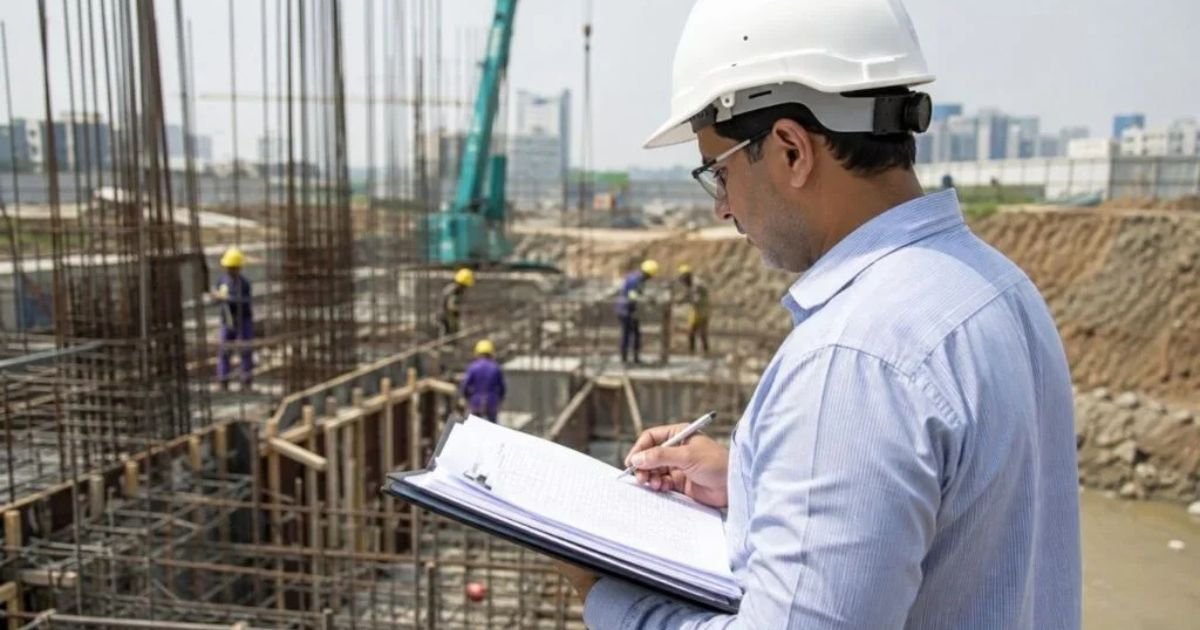
A Chief Technical Examiner plays an important role in maintaining transparency, technical quality, and financial accountability in government projects. The position is especially significant in India, where the Chief Technical Examiners’ Organisation (CTEO) operates as the technical wing of the Central Vigilance Commission (CVC). Its work helps examine public procurement, construction projects, contracts, and technical decisions to identify irregularities and improve the use of public funds.
Understanding the meaning of Chief Technical Examiner is useful for engineering students, government employees, contractors, procurement professionals, civil servants, and people researching technical oversight positions. Although the title may also be used descriptively in other organizations, its institutional meaning in India is closely connected with government vigilance and procurement examination.
The responsibilities of a Chief Technical Examiner extend beyond checking construction quality. Depending on the assignment, technical examination can involve project estimates, tender conditions, contract awards, material quality, measurements, invoices, payment records, and compliance with applicable requirements. These checks help determine whether public projects have been planned properly, completed according to their specifications, and paid for fairly.
This guide explains what a Chief Technical Examiner does, how the CTEO works, which skills are important, how technical examinations are conducted, and why the position matters in public administration.
What Is a Chief Technical Examiner?
A Chief Technical Examiner is a senior technical authority responsible for examining technical and financial aspects of projects, contracts, or procurement activities within an assigned organization or oversight framework.
In India, the term has a specific connection with the Chief Technical Examiners’ Organisation, which works under the Central Vigilance Commission. The organization provides technical expertise for examining selected public procurement cases and supporting vigilance-related work.
The primary purpose of this examination is to assess whether government expenditure is justified, contractual requirements have been followed, and technical work meets the required standards.
For example, a government department may award a contract to construct a road. The project team prepares an estimate, invites bids, selects a contractor, supervises construction, and processes payments. A technical examination can review these stages to determine whether the estimate was reasonable, the bidding process was fair, the materials met specifications, and the contractor received payment only for eligible work.
If the examination identifies discrepancies, the findings can help the relevant authorities decide whether explanations, corrective measures, financial recovery, administrative action, or further investigation are necessary.
A Chief Technical Examiner therefore performs an oversight function rather than simply managing day-to-day construction or approving routine engineering work.
What Is CTEO and How Is It Connected to the CVC?
CTEO stands for Chief Technical Examiners’ Organisation. It is the technical wing associated with the Central Vigilance Commission, India’s central vigilance institution.
The CTEO provides specialized technical knowledge in matters involving government contracts, procurement decisions, engineering work, quality standards, and financial irregularities connected with technical activities.
The Central Vigilance Commission was established as part of India’s framework for addressing corruption and strengthening vigilance in public administration. The CTEO contributes to this framework by examining technical matters that may require engineering expertise to understand properly.
A financial record may show how much a department paid a contractor, but it may not establish whether the contractor supplied the specified materials or completed the stated quantity of work. Technical examination helps bridge this gap by connecting financial information with physical work, engineering standards, and contract requirements.
The CTEO’s work can support several objectives:
- Examining selected government procurement contracts.
- Identifying technical deficiencies and contractual deviations.
- Detecting possible overpayments and unnecessary expenditure.
- Reviewing compliance with relevant procurement requirements.
- Providing technical advice on matters referred for examination.
- Supporting vigilance authorities when technical evidence is required.
- Recommending improvements to procurement and contract management systems.
The organization is not a substitute for every government audit, departmental inquiry, or criminal investigation. Its technical findings contribute to the broader oversight process, while other authorities perform their respective responsibilities.
History of the Chief Technical Examiners’ Organisation
The Chief Technical Examiners’ Organisation was established in 1957 under the then Ministry of Works, Housing and Supply. Its initial purpose was to strengthen technical and financial control over government construction activities and improve economy in public expenditure.
The need for an independent technical examination mechanism arose because construction contracts can involve complicated estimates, specialized materials, large payments, and numerous contractual decisions. Reviewing these activities requires more than checking whether invoices and accounting entries are present.
The organization subsequently came under the administrative control of the Central Vigilance Commission in 1964. This placed technical examination within a broader vigilance framework.
As government procurement expanded, the need for specialized technical scrutiny also increased. Public contracts began covering increasingly diverse activities, including electrical systems, mechanical equipment, stores, consultancy, information technology, and other services.
The CTEO’s responsibilities developed to address the technical questions arising from such procurement activities.
Its historical purpose remains relevant today: improving accountability, reducing waste, identifying weaknesses in procurement systems, and ensuring that public expenditure produces the intended results.
Main Responsibilities of a Chief Technical Examiner
The exact duties of a Chief Technical Examiner depend on the organization, assigned jurisdiction, and nature of the case. Within India’s CTEO framework, the responsibilities primarily concern technical and financial scrutiny of public procurement and related vigilance matters.
1. Examining Government Construction Projects
Construction projects are an important area of technical examination. These projects may include roads, bridges, government buildings, public facilities, drainage systems, and other infrastructure.
The examiner may review project estimates, engineering drawings, construction specifications, work orders, site measurements, quality reports, and completion records.
The purpose is to determine whether the work corresponds with the approved design and contractual requirements.
For example, if a contractor has billed for a particular quantity of concrete, the examination may compare the claimed quantity with measurement records and physical evidence. If the figures do not match, the discrepancy requires clarification.
2. Reviewing Technical and Financial Records
Technical quality and financial expenditure are closely connected. A project may appear complete, but its payments may include unsupported quantities, incorrect rates, or expenses that do not comply with the contract.
A Chief Technical Examiner may examine estimates, bills, measurement records, payment certificates, variation statements, and supporting documents.
The review considers whether the amount paid is justified by the work or supply delivered.
Financial discrepancies do not automatically establish corruption. Some may result from mistakes, poor documentation, weak supervision, or differences in technical interpretation. Findings must be assessed against the available evidence and applicable rules.
3. Checking Tendering and Procurement Procedures
Government procurement should follow applicable rules and provide eligible bidders with a fair opportunity to compete.
A technical examination may review tender specifications, eligibility criteria, bid evaluation records, approved estimates, and contract conditions.
The examiner may investigate whether technical requirements were appropriate for the project or whether unclear or unnecessarily restrictive conditions affected competition.
The review can also consider whether the selected bidder met the required conditions and whether the award was consistent with the documented evaluation process.
4. Identifying Quality Deficiencies
A completed project does not necessarily meet every required standard. Poor workmanship, unsuitable materials, inadequate testing, or deviations from approved specifications can affect performance and safety.
The examiner may compare material test results, inspection reports, construction records, and actual site conditions.
Where appropriate, technical specialists may carry out additional measurements, sampling, or testing.
The objective is to establish whether the work complies with contractual and technical requirements and to identify any deficiencies that need attention.
5. Detecting Possible Overpayments
Overpayment occurs when a contractor or supplier receives more money than is justified under the applicable contract and supporting evidence.
Possible causes include incorrect measurements, duplicate billing, unsupported quantities, inappropriate rates, or payments for work that was not completed as claimed.
A Chief Technical Examiner may compare the payment records with the actual quantities supplied or executed.
If an overpayment is identified, the relevant authority can evaluate the findings and determine the appropriate corrective action, which may include recovery of funds where legally justified.
6. Supporting Vigilance Investigations
Some technical discrepancies may raise concerns about misconduct, favoritism, manipulation, or deliberate misuse of public resources.
The CTEO can provide technical assistance in matters referred through the appropriate vigilance framework. Its expertise can help explain how a particular irregularity occurred and whether the available evidence supports further action.
The examiner’s role is to provide a reasoned technical assessment. Decisions about disciplinary proceedings, criminal liability, or other legal consequences remain subject to the authority and procedures applicable to the case.
How Does a Chief Technical Examination Work?
A technical examination generally involves reviewing documents, assessing risks, checking relevant evidence, and preparing findings. The exact procedure depends on the governing guidelines and the nature of the procurement.
Within India’s CTEO framework, an intensive examination may involve a detailed review of selected procurement contracts and associated technical and financial records.
Step 1: Selection of a Project or Contract
The process begins with the identification of a contract or procurement case for examination.
Selection may be influenced by the applicable reporting framework, contract characteristics, vigilance concerns, project significance, or information received by the relevant authorities.
Projects with substantial expenditure or significant technical risks may require particular attention. However, selection criteria and examination requirements depend on the applicable instructions.
Step 2: Collection of Relevant Documents
The examination team obtains the records needed to understand the procurement process.
These records may include administrative approvals, technical sanctions, estimates, tender documents, bid evaluation statements, agreements, work orders, site records, invoices, and quality reports.
For supply contracts, purchase orders, delivery records, inspection certificates, and equipment specifications may be particularly important.
A complete documentary record allows the examiner to compare what was approved, what was contracted, what was delivered, and what was paid.
Step 3: Technical and Financial Review
The team evaluates the available records against relevant contract terms, specifications, approved estimates, and applicable procedures.
This may involve checking calculations, comparing quoted rates, reviewing changes to the original scope, and examining whether payments are supported by adequate evidence.
The examiner also considers whether the project followed the approved technical requirements and whether departures from those requirements were properly documented.
Step 4: Site Inspection or Physical Verification
Where necessary, the examination may include a physical inspection.
For a road project, the team might examine the thickness of pavement layers, material quality, dimensions, and recorded quantities. For a building, the review may involve structural elements, finishing work, and construction measurements.
In an equipment procurement case, the examination may focus on specifications, serial numbers, performance tests, delivery documentation, and acceptance conditions.
The method depends on the type of contract and the technical issues being examined.
Step 5: Identification of Discrepancies
The examination team records differences between the contractual requirements and the available evidence.
These discrepancies may concern poor quality, unsupported payments, procedural deviations, incomplete records, or other weaknesses in contract management.
Each finding should be supported by relevant evidence and explained clearly. An unexplained difference is a reason for further examination, not automatic proof of wrongdoing.
Step 6: Reporting and Corrective Action
After the examination, findings are documented and communicated through the applicable reporting process.
The responsible organization may be required to provide explanations or take corrective steps. Depending on the findings, actions may include correcting defects, strengthening controls, reviewing payments, recovering justified amounts, or referring serious concerns to the appropriate authority.
The broader goal is to resolve the immediate issue and reduce the likelihood of similar problems in future contracts.
What Types of Projects Can a Chief Technical Examiner Review?
The scope of examination depends on the organization’s jurisdiction and the applicable procurement framework. In India’s CTEO context, technical scrutiny is not limited to civil engineering.
Civil Engineering and Infrastructure
Civil works can include roads, bridges, buildings, drainage networks, water infrastructure, and other public construction projects.
The review may examine design requirements, quantities, material quality, construction methods, completion standards, and payment calculations.
Electrical and Mechanical Contracts
Electrical and mechanical procurement may involve power systems, generators, industrial machinery, electrical installations, pumps, and related equipment.
The examiner may check equipment specifications, installation requirements, testing documentation, contract rates, and performance obligations.
Government Supplies and Equipment
Supply contracts may involve office equipment, technical instruments, machinery, and other goods purchased by public organizations.
Relevant checks can include product specifications, delivery quantities, inspection records, warranty conditions, and acceptance documentation.
Information Technology Procurement
Technology procurement can involve hardware, software, digital systems, implementation projects, and IT-related services.
Depending on the assignment, an examination may review technical requirements, delivery milestones, contractual performance, licensing conditions, testing records, and payment terms.
Consultancy and Professional Services
Government organizations sometimes procure consulting, design, inspection, project management, or other professional services.
The examination may assess the scope of work, eligibility requirements, deliverables, contractual milestones, and supporting evidence for payments.
Transport and Other Services
Procurement may also include transport arrangements, maintenance, outsourced services, and other contractual activities.
In these cases, the review focuses on the agreed service requirements, performance evidence, billing calculations, and compliance with the applicable contract.
Difference Between a Chief Technical Examiner and a Project Engineer
A Chief Technical Examiner and a project engineer may both have engineering expertise, but their responsibilities are different.
A project engineer generally works on planning, designing, coordinating, supervising, or executing a project. The engineer helps ensure that the work progresses according to approved plans and operational requirements.
A Chief Technical Examiner performs an examination or oversight function within an assigned mandate. The focus is on assessing whether decisions, work, records, and payments comply with applicable technical and contractual requirements.
For example, a project engineer may supervise the construction of a public building and approve routine measurements under the relevant procedures. A technical examiner may later review those measurements to determine whether they accurately represent the completed work.
The distinction is important because project execution and independent scrutiny serve different purposes.
Project engineers help deliver the work. Technical examiners help establish whether the work and associated expenditure withstand independent review.
Difference Between a Chief Technical Examiner and a Technical Auditor
The terms Chief Technical Examiner and technical auditor can overlap in everyday descriptions, but they are not necessarily interchangeable.
A technical auditor may review technical processes, systems, compliance, performance, or quality within a private company, public organization, or specialized industry.
A Chief Technical Examiner, in the Indian CTEO context, has a more specific institutional connection with the Central Vigilance Commission and public procurement oversight.
The scope of a technical auditor depends on the organization’s audit framework. A Chief Technical Examiner’s responsibilities depend on the applicable vigilance mandate and the procurement matters assigned for examination.
Both roles can help identify weaknesses, but their authority, reporting structure, and procedures may differ.
What Qualifications and Skills Are Required?
The qualifications for a Chief Technical Examiner depend on the specific organization and appointment framework. In India’s CTEO, the position is a senior technical role associated with experienced engineering leadership.
It should not be confused with an ordinary entry-level engineering vacancy. Appointment requirements, service rules, eligibility, and selection procedures must be checked against the relevant official recruitment or deputation notification.
Several professional capabilities are particularly important for technical examination work.
Engineering Knowledge
A strong understanding of the relevant engineering discipline is essential.
Depending on the assignment, this may include civil, electrical, mechanical, or other technical fields. The examiner must understand specifications, measurements, design requirements, testing methods, and quality standards.
Procurement and Contract Knowledge
Technical knowledge alone is insufficient when a review involves public contracts.
The examiner should understand tendering procedures, contract conditions, evaluation criteria, approved variations, payment provisions, and documentation requirements.
This knowledge helps distinguish a legitimate contractual change from an unsupported departure from the original agreement.
Financial and Analytical Skills
A technical examiner often needs to compare estimates, rates, quantities, invoices, and actual performance.
Strong analytical skills help identify inconsistencies and calculate the financial implications of a finding.
Accuracy is particularly important when reviewing large contracts or complicated calculations.
Report Writing and Communication
Technical findings must be explained in a clear and organized manner.
A good report identifies the issue, describes the supporting evidence, explains the applicable requirement, and states the implications of the discrepancy.
Clear writing also helps nontechnical officials understand the findings and determine what action may be necessary.
Integrity and Independence
Technical examination requires impartial judgment.
The examiner should evaluate the evidence objectively, avoid conflicts of interest, and document conclusions in a defensible manner.
The purpose is not to favor a contractor, protect a department from criticism, or identify faults without evidence. It is to establish the facts and support fair accountability.
Attention to Detail
Small discrepancies can have substantial consequences in large procurement contracts.
Incorrect quantities, inconsistent specifications, missing test records, or unexplained price changes may reveal weaknesses that require further review.
Attention to detail helps the examiner identify these issues without losing sight of the overall project.
Is Chief Technical Examiner a Government Job in India?
The Chief Technical Examiner role associated with the CTEO is part of India’s government vigilance and technical oversight framework.
It is a senior professional position rather than a general designation used for all government engineers.
People interested in this role should understand the difference between working as an engineer in a government department and serving in a senior technical examination position.
Government engineering jobs may involve design, construction, maintenance, project management, procurement, or technical administration. The Chief Technical Examiner’s work focuses on examination and oversight within the relevant mandate.
Anyone seeking an appointment should review current official vacancy notices, eligibility criteria, service requirements, and recruitment procedures. The applicable process should not be assumed to be the same as recruitment for an ordinary engineering post.
Relevant experience in engineering, contracts, public procurement, quality assurance, and project administration may be valuable, but the exact requirements depend on the position.
What Is the Role of a Chief Technical Examiner in the USA?
In the United States, the phrase Chief Technical Examiner does not have one universally standardized federal meaning equivalent to India’s CTEO position.
The title may be used by an individual organization to describe a senior technical reviewer, examiner, compliance professional, or engineering oversight specialist. Its precise meaning depends on the employer and industry.
Public infrastructure projects in the USA may be subject to engineering inspections, contract administration reviews, financial audits, procurement controls, and regulatory compliance requirements.
Different government departments, state agencies, municipalities, and independent oversight bodies have their own responsibilities and procedures.
Consequently, someone researching the term in the USA should identify the organization using the title before assuming what the job involves. The same title can describe different responsibilities in different employment settings.
Professionals interested in comparable work may explore engineering quality assurance, construction inspection, contract compliance, procurement oversight, technical auditing, or public infrastructure review. These are related fields, not necessarily identical positions.
Read more: Wenrath: Meaning, Location, History, and Everything You Should Know
Why Is a Chief Technical Examiner Important?
The importance of technical examination comes from the need to connect public expenditure with actual results.
Government projects often involve substantial budgets, multiple contractors, complex technical specifications, and several layers of approval. Without effective oversight, errors can remain unnoticed until they cause financial losses, project delays, poor performance, or safety concerns.
A Chief Technical Examiner helps strengthen accountability by examining the evidence behind technical and financial decisions.
Protecting Public Money
Technical scrutiny can identify payments that lack sufficient contractual or physical support.
It may also reveal inaccurate estimates, unnecessary expenditure, and weaknesses in cost control.
Corrective action can help public organizations use limited resources more effectively.
Improving Construction and Supply Quality
Projects should meet the standards established in their contracts and technical specifications.
Examination can identify deficiencies that might otherwise remain undocumented or unresolved.
This supports better construction practices, more reliable equipment, and stronger contract administration.
Promoting Fair Procurement
Fair competition depends on transparent requirements, consistent evaluation, and compliance with applicable procedures.
Technical review can identify unexplained deviations or conditions that may have affected competition.
This helps improve procurement practices and strengthen confidence in public contracting.
Strengthening Accountability
Documented findings create a clearer record of decisions and responsibilities.
Where errors or irregularities occur, the relevant authorities can examine the evidence and decide what corrective or administrative action is appropriate.
This process supports responsible decision-making without treating every mistake as deliberate misconduct.
Preventing Repeated Problems
An effective examination should identify weaknesses in the system, not only problems in one contract.
For example, repeated measurement errors may indicate inadequate supervision or poor recordkeeping. Recurring procurement delays may suggest weaknesses in planning or tender preparation.
Addressing the underlying causes can reduce future problems across multiple projects.
Common Challenges Faced During Technical Examination
Technical examination can be difficult because projects involve numerous records, changing conditions, and different professional responsibilities.
Incomplete or Inconsistent Documentation
Some contracts may have missing records, unclear measurements, incomplete test reports, or inconsistent payment documentation.
These gaps make it harder to establish whether the work complied with the contract.
The examiner must identify what evidence is available and determine whether additional clarification or verification is necessary.
Complex Technical Specifications
Large projects may involve specialized materials, equipment, software, or engineering systems.
A meaningful review requires the right technical knowledge and an understanding of the contractual requirements.
Specialist support may be necessary when the issue falls outside the examiner’s primary discipline.
Project Changes and Cost Variations
Construction and procurement projects sometimes require legitimate changes because of site conditions, revised requirements, or unforeseen circumstances.
However, each change must be evaluated against the applicable contract and approval procedures.
The challenge is to distinguish justified variations from changes that lack adequate technical or financial support.
Limited Time and Resources
Large procurement portfolios can include numerous contracts with different levels of complexity.
Review teams must organize their work efficiently and concentrate on the most relevant risks while maintaining adequate examination quality.
Careful planning, appropriate sampling, and reliable documentation can improve the process.
Maintaining Objectivity
Technical findings may affect contractors, public officials, and project budgets.
An examiner must remain evidence-based and impartial, particularly when explanations differ or the records are disputed.
A fair examination documents both the discrepancy and the reasoning used to reach the conclusion.
How Technology Is Changing Technical Examination
Digital tools are changing how organizations record, monitor, and examine procurement activities.
Although technology does not replace professional judgment, it can make evidence easier to organize and compare.
Digital Document Management
Electronic records can improve access to estimates, contracts, approvals, invoices, and inspection reports.
A well-managed document system also makes it easier to track changes and identify missing information.
Data Analysis
Analytical tools can help identify unusual prices, repeated payments, inconsistent quantities, or patterns that deserve closer examination.
Such results are indicators for further review rather than automatic proof of wrongdoing.
Digital Project Monitoring
Photographs, progress reports, measurement records, and other project data can support comparisons between reported progress and actual execution.
The usefulness of these records depends on their reliability, completeness, and connection to the relevant contract.
Improved Reporting and Follow-Up
Digital tracking systems can help organizations record findings, assign corrective actions, and monitor responses.
This can improve accountability by making unresolved issues easier to identify.
However, digital records must still be checked for accuracy, authorization, and completeness. Technology strengthens the examination process when it is combined with sound procedures and competent professional judgment.
Frequently Asked Questions About Chief Technical Examiner
What is the meaning of Chief Technical Examiner?
A Chief Technical Examiner is a senior technical authority who examines technical work, procurement activities, contractual compliance, and related financial matters within an assigned organization. In India, the title is specifically associated with the CTEO under the Central Vigilance Commission.
What does a Chief Technical Examiner do?
The officer examines selected projects or procurement contracts, reviews technical and financial records, checks compliance with specifications, identifies discrepancies, and provides technical findings to the appropriate authorities.
What is the full form of CTEO?
CTEO stands for Chief Technical Examiners’ Organisation. It is the technical wing associated with the Central Vigilance Commission in India.
What is the full form of CVC?
CVC stands for Central Vigilance Commission, India’s central vigilance institution.
Is the Chief Technical Examiner part of the CVC?
In the Indian government context, the Chief Technical Examiners’ Organisation operates as the technical wing of the Central Vigilance Commission and supports technical examination and vigilance-related work.
What is an intensive examination?
An intensive examination is a detailed review of a selected procurement contract or project. Depending on the case, it may involve document analysis, physical inspection, measurement verification, quality checks, and examination of payments.
Can a Chief Technical Examiner detect corruption?
Technical examination can identify discrepancies and irregularities that may indicate possible misconduct, such as unsupported payments, manipulated measurements, or questionable procurement decisions. However, a technical finding alone does not automatically establish criminal liability. Further action depends on the evidence and the authority responsible for the case.
Which projects can a Chief Technical Examiner examine?
Depending on the applicable jurisdiction, examination may cover civil works, infrastructure, electrical and mechanical contracts, equipment purchases, supplies, IT procurement, consultancy, and other services.
What qualifications are required to become a Chief Technical Examiner?
The requirements depend on the specific position and appointment framework. The CTEO role is a senior technical position associated with experienced engineering leadership. Candidates should consult the relevant official recruitment or service notification for exact eligibility requirements.
Is a Chief Technical Examiner the same as a project engineer?
No. A project engineer generally helps plan, supervise, or deliver technical work. A Chief Technical Examiner performs an oversight and examination function, assessing whether the work, procurement decisions, records, and payments meet applicable requirements.
Is the Chief Technical Examiner role available in the USA?
The title does not have one universal meaning across the United States. Similar responsibilities may exist in engineering oversight, technical auditing, construction inspection, procurement compliance, and public infrastructure review. The exact duties depend on the employer and position.
Why is a Chief Technical Examiner important in government projects?
The role helps improve technical quality, identify unjustified expenditure, strengthen procurement controls, support vigilance work, and encourage better use of public resources.
Does every government project undergo examination by the CTEO?
No. The CTEO examines selected projects and procurement cases according to its applicable mandate, procedures, and examination priorities. Its work should not be interpreted as a guarantee that every government contract receives an individual examination.
Final Thoughts
The Chief Technical Examiner is an important technical oversight role, particularly within India’s public procurement and vigilance framework. Through the Chief Technical Examiners’ Organisation, specialized engineering knowledge helps examine government contracts, technical decisions, project quality, and the financial implications of procurement activities.
The role is valuable because effective oversight requires more than checking invoices or confirming that a project has been completed. It requires comparing contractual commitments with actual work, examining the evidence behind payments, identifying procedural weaknesses, and understanding the technical reasons for discrepancies.
A well-conducted examination can help identify poor-quality work, unsupported expenditure, unfair procurement practices, and weaknesses in contract administration. It can also support corrective action and encourage improvements that prevent similar problems in future projects.
For engineers, procurement professionals, government employees, and students, understanding the Chief Technical Examiner role provides useful insight into the relationship between engineering expertise, public accountability, and responsible financial management.
Ultimately, the purpose of technical examination is not simply to find mistakes. It is to help ensure that public projects deliver the quality, value, and results expected from the money spent on them.